Nature and the Gifts That Foster Our Connection to It
In a world where daily life is increasingly spent between screens, traffic, schedules, and enclosed spaces, time spent outdoors is beginning to feel like a true necessity, rather than just a pleasant addition to the weekend. That is why the topic Nature and the Gifts That Foster Our Connection to It is becoming increasingly relevant. When we choose a gift for someone who loves walks, the mountains, forest trails, birdwatching, camping, or the silence under the open sky, we’re not just giving an object. We’re giving them a reason to get outside, to slow down, to pay attention to detail, and to be fully present.
There are gifts that are used once, then left in a closet, and gradually lose their meaning. And there are those that change habits. They invite people to go for a walk more often, to linger longer by a lake, to look more closely at the branches, the clouds, the tracks on the path, the birds over the field, or the light in the late afternoon. That’s why gifts related to time spent outdoors hold special value. Not only do they bring joy, but they also create experiences.
It is precisely here that the topic Nature and the Gifts That Foster Our Connection to It takes on a deeper meaning. It’s not just a list of ideas for things. It’s about what brings us back to a calmer rhythm, to observation, to movement, and to the feeling that not everything has to happen quickly. A well-chosen gift can spark a new hobby, lead to more family outings, solo hikes, more regular weekend getaways, or a revival of a long-forgotten love for the great outdoors.
Here you’ll learn why such gifts are so valuable, what makes them a truly good choice, which ideas work best depending on the recipient, and how to choose something that doesn’t just look good, but actually encourages a closer connection with the natural world.
Why Nature-Related Gifts Have Special Value
A gift is a sign of thoughtfulness, but also of understanding. When you choose something that supports time spent outdoors, you show that you recognize the person’s interests, needs, and lifestyle. Such a choice speaks to your thoughtfulness. It suggests that you’re not just looking for something to check a box, but for something that can become part of their daily life or their favorite weekend moments.
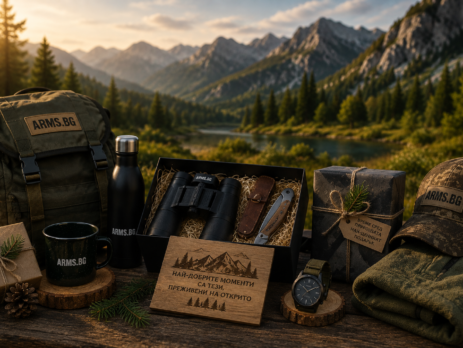
Gifts connected to nature often have another important quality-they don’t encourage you to stay in one place, but rather to take action. They invite you to go for a walk, to travel, to observe, to learn, and to experience. A pair of binoculars can make you see birds in a whole new way. A good thermos can turn a cold morning in the woods into a pleasant experience. A sturdy backpack can make a spontaneous hike easier. A compass, a field notebook, or a headlamp can change the way a person moves through the great outdoors.
This is precisely where the power of the theme lies: Nature and the gifts that foster our connection with it. It is linked to objects that have a life beyond the act of giving itself. They begin to live alongside the person-in the mountains, in the car for a weekend getaway, in the luggage for a picnic, or in their hands during a quiet walk.
What Makes a Gift Like This Truly Good
Not every outdoor accessory is automatically the right choice. To be a good gift, it must be tailored to the person, not just the theme. There’s a big difference between someone who enjoys short walks outside the city and someone who spends hours on mountain trails. There’s a difference between a family with children going on a picnic and an avid birdwatcher. There’s a difference between a beginner hiker and someone who already has serious gear.
That’s why the first question isn’t “what’s interesting,” but “what will actually be used.” The most meaningful gifts are those that feel natural to the person. They fit their rhythm, their interests, and how they like to spend their time. A gift may be beautiful, but if it’s inconvenient, heavy, overly complicated, or doesn’t fit the person’s habits, there’s a good chance it will end up gathering dust.
For this reason, when we talk about Nature and the gifts that foster our connection with it, the best choice almost always has three qualities: practicality, inspiration, and long-term use. Practicality means it gets the job done. Inspiration means it spurs action. Long-lasting use means it’s not a one-time whim, but something a person will reach for again and again.
Gifts That Help Us Observe the World More Carefully
One of the most wonderful gift ideas is to give items that sharpen our attention to detail. This could be a good pair of binoculars for observing birds, wildlife, landscapes, or distant natural features. Such a choice is wonderful for people who like to stop, look around, and spend time observing, rather than just moving along.
Binoculars are a gift that opens up a whole new way of seeing. A bird that was once just a dark spot on a branch suddenly reveals its colors, movements, and character. A distant hillside is no longer just a green expanse, but a landscape of shapes, lines, and life. It is precisely these kinds of items that make the theme Nature and the Gifts That Foster Our Connection to It so meaningful-they transform the very way we experience the outdoors.
Added to this collection are field guides for birds, plants, animal tracks, and mushrooms, as well as small notebooks for notes, sketches, and observations. For someone who loves to remember, describe, and revisit what they’ve seen, this can become a truly personal ritual.
Gifts That Make Spending Time Outdoors More Comfortable
Often, being close to nature depends not only on curiosity but also on comfort. People stay outside longer when they’re comfortable. From this perspective, a gift can help precisely by enhancing the experience.
A high-quality thermos is a wonderful example. It may not seem like a big deal, but on a chilly morning or a windy afternoon, it makes a huge difference. A warm drink in the woods, in a meadow, or by the water creates a sense of fulfillment and coziness. It’s one of those gifts that often gets used more often than you’d initially expect.
A good thermos, a lightweight camping chair, a foldable blanket, a picnic cooler bag, a lightweight hammock for relaxing among the trees, or a compact cup made of durable material are also great ideas. They don’t overshadow the experience, but rather make itenjoyable. And when the weather outside is nice, you’ll want to do it more often.
That’s exactly why nature and the gifts that foster our connection with it can also be viewed through the lens of comfort. Sometimes it’s precisely those little comforts that turn a walk into a habit.
Gifts for Movement and Discovery
There are people who love nature not so much as a place to stay, but as a space to move around in. For them, the most suitable gifts are those that support walking, orienteering, and spending more time on trails.
Here, a good backpack is one of the most practical ideas. Not just any model, but a backpack with comfortable straps, good organization, a sturdy back panel, and a capacity suited to the type of outing. One style is needed for short routes, and a different one for longer ones. When you find a backpack that fits you well, you’re much more likely to head out more often.
Other suitable gifts include water bottles, headlamps, compasses, hiking utensils, lightweight rain jackets, map cases, multifunctional organizers for small items, or practical luggage accessories. Their strength lies in the fact that they remain useful for a long time and help maintain a sense of readiness.
In the topic Nature and the Gifts That Foster Our Connection to It, movement is of great importance. Not everyone is looking for quiet on a bench. Some want trails, hikes, new views, and a sense of discovery. For them, the right gift is one that makes setting out easier.
Gifts for People Who Love the Peace and Quiet of the Outdoors
There’s another type of nature lover-not so much hikers, but people who love silence, relaxation, reading outdoors, slow mornings by the river, or afternoons in the shade. For them, a gift doesn’t necessarily have to be “adventurous.” It can be gentler, more peaceful, and tied to the ritual of relaxation.
Great options here include a soft picnic blanket, a beautiful teapot or coffee pot, a folding chair, a comfortable mat, a book cover, an outdoor dining set, or a small lantern or headlamp for camping evenings. These are items that convey a sense of care and show that a person deserves time outdoors without rushing.
The topic Nature and the gifts that foster our connection with it isn’t just for hikers and nature watchers. It’s also for people who appreciate a peaceful walk, a quiet afternoon in the park, or a weekend on the porch overlooking the trees.
Gifts for Children and Families
When a gift is intended for a child or a family, it plays an even more meaningful role. It doesn’t just encourage time spent outdoors-it helps build habits and shared memories. Items that inspire children to observe, explore, collect, and ask questions are exceptionally valuable.
Good choices include children’s binoculars, a magnifying glass, a book about birds or forest animals, a small backpack, a compass, a box for collecting natural finds, a field notebook, or a young explorer’s kit. For families, great ideas include shared picnic accessories, camping lights, cozy blankets, a trunk organizer for outings, or insulated containers for shared use.
When we talk about nature and the gifts that foster our connection to it, children are a particularly important part of the topic. They develop a relationship with the world through play, curiosity, and example. A well-chosen gift can be the start of family walks, birdwatching, first nights of camping, and a genuine love for the outdoors.
Materials and quality are also part of the message
When a gift is connected to nature, the quality of craftsmanship is even more important. These items are often carried, dropped, get wet, get scuffed, and end up in a backpack, in a car, or out in the sun. If they’re cheap and poorly made, disappointment sets in quickly. Good craftsmanship, durable materials, comfort, and reliability are all qualities that turn a gift into a true companion rather than a short-lived item.
This is precisely where the topic Nature and the gifts that foster our connection with it connects with respect for the experience itself. When someone heads outdoors, they need items they can rely on.
How to Choose by Season
The season can help guide your choice. In the spring and summer, gifts for walks, nature watching, picnics, light hikes, and long days outdoors work wonderfully. In the fall, great ideas include thermoses, warmer accessories, headlamps, and comforts for cooler outings. In winter, items that support short but meaningful moments outdoors are ideal-warmth, light, protection, and comfort.
A seasonal choice makes the gift more relevant and ensures it can be put to use right away.
What to Avoid
There are several common mistakes. The first is giving something too specialized to someone who doesn’t yet have that interest. The second is choosing an item that looks good but is uncomfortable or of poor quality. The third is focusing only on appearance without considering practical use.
It’s also not a good idea for the gift to be too abstract. If the theme is nature, let the item actually enhance time spent outdoors, rather than just evoking a “forest” mood as decoration. The items that work best are those that a person can actually take with them, rather than those that merely serve as a reminder of the idea.
Why These Gifts Are Remembered for a Long Time
The reason is simple: they’re linked to experiences. A scarf, perfume, or souvenir can be nice, but they rarely become part of such vivid moments. In contrast, a pair of binoculars might be part of your first sighting of a rare bird. A thermos-on a cold morning at sunrise. A backpack-on a long hike to a panoramic view. A field notebook-during the first recorded observations. These items become imbued with memories.
That is precisely why Nature and the gifts that foster our connection with it is a topic with such great potential. It’s about items that don’t just sit still, but move with a person and become part of their outdoor life.
Nature and the gifts that foster our connection with it is a theme that goes beyond standard ideas about gift-giving. It guides us toward meaningful objects, toward choices that not only bring joy when we receive them but also remain useful, inspiring, and connected to real-life experiences.
The best gift in this vein is one that encourages movement, observation, tranquility, learning, or shared time outdoors. It can be small or more substantial, simple or more specialized, but it must suit the person and the way they experience the world outside the city, away from the noise and the hustle and bustle of everyday life.
When a gift helps someone get outside more often, look more closely, walk longer, pause more peacefully, and return to the great outdoors with greater enthusiasm, then its value is far greater than its price. It is precisely then that the gift becomes not just an object, but an invitation to a closer, more meaningful, and fuller connection with the world around us.