Emergency Evacuation
Emergency Evacuation-What to Pack in Your Survival Kit
Emergency evacuation isn’t just something that happens on the news-it’s a moment when, in a matter of minutes, we must grab the essentials and leave our home via a safe route. A fire in the apartment building, a flood, an accident at a nearby factory, a storm, or a winter disaster-in all these situations, there’s no time to think about what to pack. That’s why a well-prepared survival kit and a backpack by the door are crucial.
Government agencies will handle the rescue and any necessary evacuation, but no one will hand you a ready-to-go backpack with water, food, a flashlight, clothes, and medicine. Personal preparedness starts at home and gives you the peace of mind that if you have to leave within minutes, you won’t be empty-handed.

Emergency Evacuation in Everyday Life – real situations around us.
Most people associate emergency evacuation with war or large-scale disasters around the world. In reality, however,-often, it involves seemingly ordinary events: a fire caused by a short circuit, a river overflowing its banks, a burst pipe, a chemical accident, or an ice storm that leaves the neighborhood without power and heat.
In moments like these, the biggest problem is chaos-people grab whatever they can find, rush out in their slippers, without documents, without medicine, without water. With a pre-prepared survival kit the situation looks different: you grab a backpack that already contains water, some food, warm clothes, a first-aid kit, a flashlight, a pocket knife, and your essential documents.
If we consider an emergency evacuation as part of normal home preparedness-just like a smoke detector, insurance, or a first-aid kit in the closet-preparation no longer seems extreme, but rather a logical and calm step.
What Does Family Evacuation in Case of Danger Mean-An Organized, Rather Than Chaotic, Evacuation
When we hear the word evacuation, we easily imagine panic and chaos. For a household, the goal is exactly the opposite-clear, well-rehearsed actions in which everyone knows what to do.
A well-planned emergency action plan includes several simple but important elements:
- a clear decision on when to evacuate-smell of smoke, flooding, instructions from the fire department or police;
- a chosen route-which stairwell to use, where the assembly point is in front of the building or in the neighborhood;
- a backpack packed for emergency evacuation, which can be grabbed in one motion from its spot to the door;
- assigned roles-who grabs the backpack, who helps the children and adults, who takes care of the pet.
The difference between a spontaneous evacuation and a prepared response is enormous. In one case, everyone grabs something in a hurry; in the other, the family leaves with a well-thought-out survival kit and can endure the first 24-72 hours in a safer place.
Three Levels of Preparedness-Emergency Backpack, small bag, and document pouch
To keep preparedness from feeling like a huge project, it’s helpful to think in terms of three levels. That way, anyone can start gradually, without spending large sums all at once.
Emergency Backpack by the Door
The key item is the emergency evacuation backpack, which should be kept in an easily accessible and consistent location-by the front door, in the hallway, or near the garage exit:
- water in a sturdy bottle or canteen and, if possible, a simple filter or water purification tablets;
- light, high-calorie food-energy bars, nuts, a few cans of food;
- an emergency blanket or compact sleeping bag and one warm layer of clothing appropriate for the season;
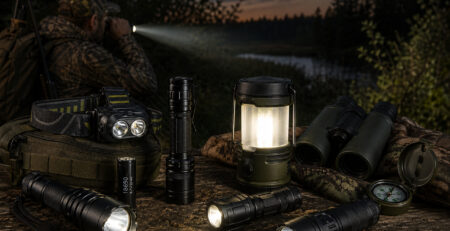
- a reliable flashlight with spare batteries, and a headlamp if possible;
- a pocket knife or multi-tool;
- a small first-aid kit and basic hygiene supplies;
- a whistle or other compact signaling device.
You can also add paracord, a lighter, and a lightweight battery-powered radio-depending on your budget and the risks in the area. Most importantly, the backpack should remain lightweight and suitable for of the people who will be carrying it during evacuation.
Small Emergency Kit-Minimum Essentials
If an incident catches you away from home-in the car, at the office, on the road-your main backpack may be out of reach. That’s why it’s useful to have a small emergency kit as well-a waist pouch or a compact shoulder bag that stays in the car or accompanies the person who is most often away from home.
Inside, pack half a liter of water, 1-2 energy bars, a mini flashlight, a small piece of emergency foil, a folding knife or mini multi-tool, a few band-aids and antiseptic wipes, and a small whistle. This is the bare minimum that provides water, light, a little food, and protection from the cold until you reach a safer place or your main kit.
Mini Document Pouch
The third level is the small waterproof document pouch. It can be kept next to your emergency evacuation backpack or in a safe, but in a way that allows you to grab it in seconds. It holds copies of ID cards and passports, documents for your home and car, insurance policies, important phone numbers, brief medical information about family members, and possibly spare bank cards or written-down IBANs.
This small pouch is of immense importance-it is precisely the loss of documents at such a moment that often complicates everything in the days that follow. When it is prepared in advance, you can focus on your family and safety, rather than worrying about what’s leftin the closet.

Water and Storage Containers-The Foundation of Every Survival Kit
Whenever you have to evacuate your home in an emergency, water is the first real problem. You can survive longer without food, but without water, your condition deteriorates very quickly. That’s why your emergency backpack should always contain a sturdy bottle or aflask that doesn’t leak and can withstand impact.
It’s practical to combine a larger bottle for carrying water with a smaller canteen or thermos that’s within easy reach. If you live in an area at risk of flooding or accidents, you might also want to consider water purification tablets or a compact filter. You’ll find some of the necessary water containers, thermoses, and other equipment can be found in the survival accessories section on Arms-bg.
Food for the First 24-72 Hours-Light and High in Calories
After water comes food. When leaving home due to an emergency, no one knows how long it will take to reach a safe place or whether any stores will be open. Your backpack should contain food that are ready to eat, have a long shelf life, and are high in energy.
Good choices include energy and protein bars, nuts, dried fruit, crackers, and canned goods. Avoid foods that require long cooking times and a lot of water. If possible, you can also pack specialized survival rations along with a lightweight, collapsible stove. Don’t forget a few of the kids’ favorite items-familiar food helps calm them in stressful situations.
Warmth, Protection from the Elements, and Shelter
Even a short stay outdoors in cold, windy, or rainy weather can be a challenge. That’s why your emergency backpack should include solutions for warmth and protection from rain and wind.
A survival blanket is one of the most useful and lightweight items-it takes up minimal space and retains a large portion of your body heat. Add to it a thin but warm sweater or thermal shirt, spare socks, a hat, gloves, and a lightweight rain cover that also covers your backpack. This is often the difference between frostbite and a bearable stay outdoors until the danger passes.
Light, Orientation, and Communication
During a nighttime emergency evacuation or a power outage, a good flashlight is essential. Stairs, yards, and streets are much more dangerous when you can’t see where you’re stepping. It’s best to have both a handheld flashlight and a headlamp, so your hands remain free when helping a child or an elderly person.
Be sure to include spare batteries and an external phone battery. During evacuation, staying in touch with loved ones and emergency services is vital. Practical additions include a whistle, a signal mirror, and glow sticks-especially in smoke, fog, or low visibility.
Tools and Small Gadgets-Pocket Knife and Multitool
The pocket knife is a staple of any survival kit and has dozens of uses in such emergency situations-cutting rope or clothing, opening cans, and making minor repairs. The multi-tool adds pliers,screwdrivers, a small saw, and other tools in a single compact body.
For a family backpack, look for a model that’s safe even for inexperienced users, with a reliable blade lock and no unnecessary weight. In addition to the knife and multi-tool, it’s a good idea to include a roll of sturdy duct tape and a few meters of paracord-you can use them to repair shoes and clothes, secure your luggage, or stretch out a makeshift shelter.
A Small First-Aid Kit and Hygiene-Taking Care of Your Health on the Go
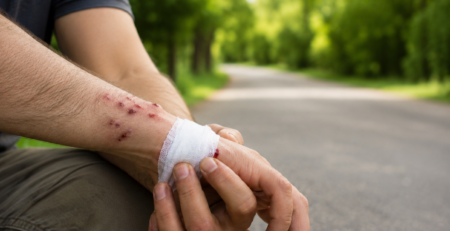
In times of crisis, people are much more vulnerable to cuts, scrapes, and minor injuries. That’s why a small first-aid kit is an essential item, not just an extra. The easiest way is to start with a ready-made first-aid kit containing bandages, gauze, adhesive bandages, and gloves, and then add to it according to your family’s needs.
Useful additions include pain relievers, remedies for stomach upset, antiseptic, wet wipes, individual medications for chronic conditions in a separate bag, and insect repellent. The first-aid kit should also include a basic hygiene kit-a small bar of soap or shower gel, hand sanitizer, and wet wipes. This helps reduce the risk of infections and additional health problems during evacuation.
The Small Evacuation Kit-A Compact but Functional Option
That’s why the small emergency kit-a waist pouch or compact shoulder bag-is a valuable backup.
It contains half a liter of water in a sturdy bottle, 1-2 energy bars, a mini flashlight with a spare battery, a pocket knife or small multi-tool, a survival blanket, a few band-aids, antiseptic wipes, and a small whistle. This kit can be kept in the car at all times or carried by the person who is most often away from home. In the event of an unexpected incident far from home, it ensures a minimum supply of water, light, food, and protection until you reach a safer place.
Where to Keep Your Emergency Evacuation Backpack and Small Kit
Even the most perfectly prepared kit is useless if you can’t reach it when it counts. That’s why your emergency backpack should always be kept in a clearly designated spot known to everyone in the house.
The most practical locations are:
- by the front door-on a hook or a sturdy stand;
- in the hallway, near the exit, rather than in a deep closet;
- by the garage door, if you usually leave by car from there.
It’s important that the backpack isn’t cluttered with clothes and boxes. In the event of a real evacuation, no one will be tidying up-you’ll just grab it and head out.
The small emergency kit-a waist pouch or a compact shoulder bag-can be kept in the car, in the closet next to the jacket youoften wear, or at the office. That way, even when you’re away from home, you’ll have at least a minimal supply of water, a flashlight, a small knife, and a few bandages.
Maintaining Your Survival Kit-A Quick but Regular Checkup
Preparing for emergencies doesn’t end the moment you pack your backpack. Over time, food spoils, batteries lose their charge, and your family’s needs change.
A practical approach is to do a quick review twice a year-in the spring and fall:
- check the expiration dates on food and medications;
- test your flashlight, headlamp, and spare batteries;
- changing clothes according to the season;
- inspect the seals on canteens and water containers.
A small laminated checklist, attached to the emergency backpack-with reminders about medications from the fridge, the needs of a baby or an elderly person, and new contact numbers. This way, the kit remains useful when you actually need to use it.
Important Documents-The Small Waterproof Pouch
In the event of a fire, flood, or other emergency requiring you to leave your home, losing your documents makes an already difficult situation much more complicated. That’s why the mini document pouch is a separate, essential item.
It’s best if it’s waterproof, brightly colored, and has internal compartments. Inside, you should organize:
- copies of ID cards, passports, and driver’s licenses;
- documents related to your home, car, and insurance;
- a list of important phone numbers-family members, doctor, insurance agent, employer;
- brief information about allergies and chronic conditions for each family member;
- possibly spare bank cards or recorded IBANs and phone numbers for blocking them.
The bag can be kept in a safe or next to your backpack, but make sure it can be grabbed in seconds. In a real evacuation, there’s no time to rummage through drawers.
Family Evacuation Drill-No Panic, but with Clearly Defined Roles
Just like school fire drills, home preparedness works best when practiced. You don’t need to come up with dramatic scenarios-a short, calm drill is enough.
You can conduct a brief drill twice a year:
- Explain that you’re simulating a quick evacuation from the home-for example, a fire or a gas leak.
- Everyone recalls their role-who grabs the backpack, who leads the children to the door, who helps an elderly person or a pet, and who carries the bag with documents.
- You all head out together to a pre-selected meeting point in front of the building or in the parking lot.
This way, children get used to the idea of a quick evacuation without unnecessary fear, and adults can see if the backpack is truly accessible and if anything in the plan needs to be changed.

Evacuating Your Home in Different Situations-How an Emergency Kit Helps
Fire in the building
If you smell smoke or hear a fire alarm, do not use the elevator. Grab your backpack for emergency evacuation and your document pouch, put on a jacket, if you have one handy, and exit via the stairs, keeping your flashlight within reach in your pocket. Once outside, your backpack provides water, warmth, and basic medications.
Flooding
If there is a risk of flooding, move your backpack and documents to higher ground at the first signs of danger. When an order for evacuation, take the prepared kits and leave the area without unnecessary luggage. Waterproof bags and emergency foil protect your clothes and documents.
Factory Accident or Chemical Contamination
If hazardous substances are detected, wear respirator masks; in case of higher risk, wear gas masks as well. Evacuation should proceed in the direction indicated by emergency services. The backpack contains clean water and basic first-aid supplies.
Winter Disasters and Severe Storms
In the event of heavy snowfall and a power outage, the backpack for emergency evacuation provides warm clothing, a thermal blanket, a flashlight, and food. This makes waiting for help or moving to a warmer place more bearable and safer.
How Arms-bg Helps You Prepare Your Emergency Evacuation Kit
You don’t have to buy everything at once. The important thing is to have a plan: first, water, a flashlight, a canteen, and a small first-aid kit, then a knife or multi-tool, emergency foil, paracord, and additional signaling and protection gear.
In the Arms-bg catalog, under the section for survival accessories, you’ll find exactly these kinds of practical solutions-water containers and filters, flashlights and headlamps, knives and multi-tools, ready-to-use first-aid kits, emergency blankets, rain gear, paracord, whistles, fire starters, and other survival gear.
This allows the kit for emergency evacuation to be tailored to your specific home and area-more protection from cold and snow, more waterproof solutions, or more protection in an industrial zone. The-important thing is that the backpack, the small pack, and the document pouch are ready, organized, and in their designated places, so that you can leave quickly and in an organized manner at any moment, without having to improvise.

Frequently Asked Questions About Emergency Evacuation
What Is an Emergency Evacuation in Everyday Life
An emergency evacuation is a rapid departure from your home or workplace in the event of an immediate danger – such as a fire in the building, a flood, an accident at a nearby factory, a severe storm, or a winter disaster. The goal is to reach a safer place within minutes with only the essentials for the first few hours, without wasting time gathering belongings.
Why do I need a survival kit when there are emergency services
The fire department, police, and emergency medical services respond to incidents, but don’t they provide a personal survival kit. No one is going to hand you a ready-to-go backpack with water, food, warm clothes, a flashlight, and medicine when you’re standing in front of your apartment building in the middle of the night. Personal preparedness ensures that in the event of a sudden evacuation, your family won’t have to rely solely on luck and outside help.
Where is the best place to keep the emergency evacuation backpack
The most practical place for the emergency evacuation backpack is next to the front door or in the hallway, very close to the exit. It’s important that it isn’t cluttered with clothes and boxes and that it can be grabbed with one hand, even in the dark. If there is a separate exit to the garage, the backpack can be placed next to that door.
What Must Be Inside
The minimum survival kit includes water in a sturdy bottle or canteen, enough food to last 24-72 hours, a survival blanket or foil, a flashlight with spare batteries, a pocket knife or multi-tool, a small first-aid kit, basic hygiene supplies, and a whistle. Depending on the region, you may want to add masks, gloves, extra warm clothing, or a water filter.
How heavy should the backpack be when leaving home
The backpack for emergency evacuation must be light enough to be carried by the weakest person in the household, if necessary. It’s better to haveto have fewer, high-quality, and well-chosen items than to have an overloaded backpack that slows down evacuation and gets left behind halfway there. If in doubt, you can prepare one smaller backpack for each adult.
How to Prepare a Kit for a Child in Case of an Emergency Evacuation
For a child, it’s best to have a lighter backpack with water, a light snack, a change of clothes, a hat, a favorite comfort toy, and a little emergency food. The main, heavier survival kit is carried by the adults, while the child is included symbolically so they know what to do during an emergency evacuation and do not panic.
How often should I check and restock the contents
It’s good practice to go through the emergency evacuation. Check the expiration dates of food and medications, the condition of the batteries, and the size and seasonality of the clothing. If there are changes in the family (a newborn, a chronic illness, a new pet), adjust the contents.
Is a separate pouch for documents necessary?
Yes, a small waterproof pouch or envelope for documents is extremely important. It should contain copies of ID cards and passports, documents for your home and car, insurance information, important phone numbers, and medical information. Keep this pouch next to your backpack for emergency evacuation so you can grab it in seconds.
Is it better to buy a ready-made kit or put one together myself
Ready-made kits, available in the survival accessories sections, provide a convenient foundation-they include basic tools, first-aid kits, and lighting and signaling devices. In most cases, however, it’s a good idea to supplement them based on your home, climate, and your family’s health so that they’re truly useful in the event of an evacuation.
Where should I start if I’m just beginning to prepare?
The easiest way is to start with three steps – set aside a sturdy backpack, stock up on water, a flashlight, and a small first-aid kit, and prepare a separate small bag for your documents. Then gradually add the remaining items to your survival kit, by choosing suitable solutions from Arms-bg based on your home and lifestyle. This way, emergency evacuation goes from being an abstract concept to a situation for which you are truly prepared.